


Menu

LAB TO LIFE

From early detection to dialysis, explore different care options when your kidneys need extra support, and understand the science behind healthy kidneys!

Tap each exhibit below to learn, discover, and play!

Tap anywhere to enable sound
K-Buddy
wpChatIcon
Scroll to Top

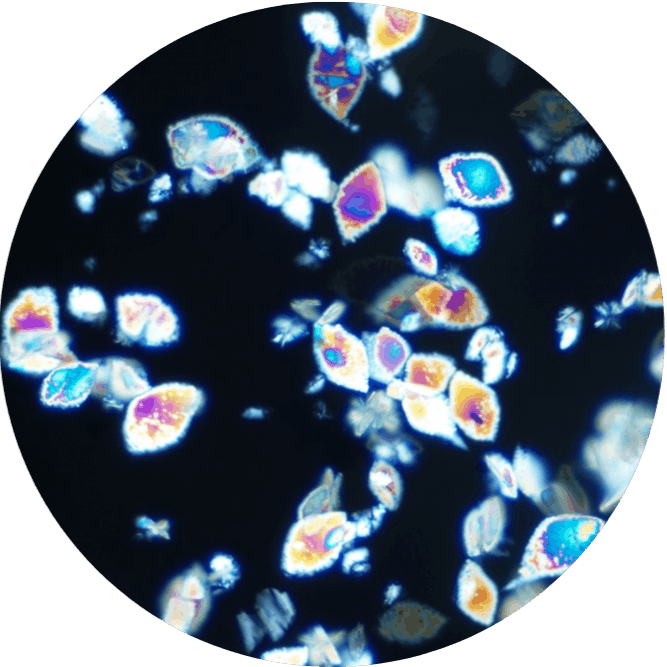
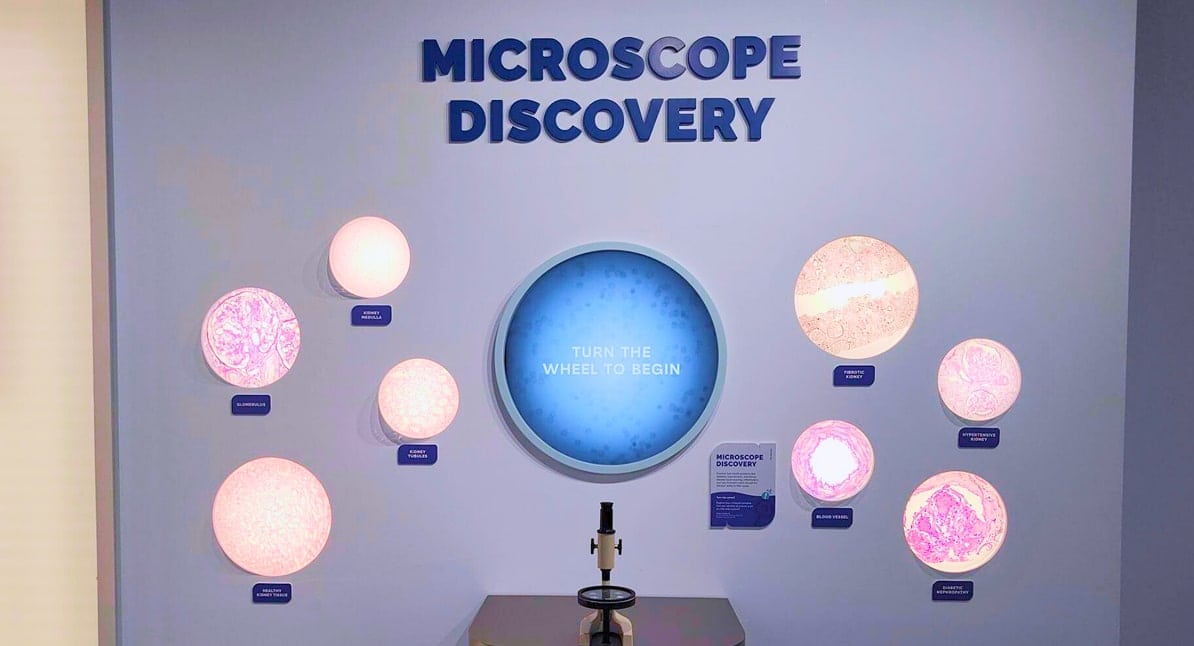
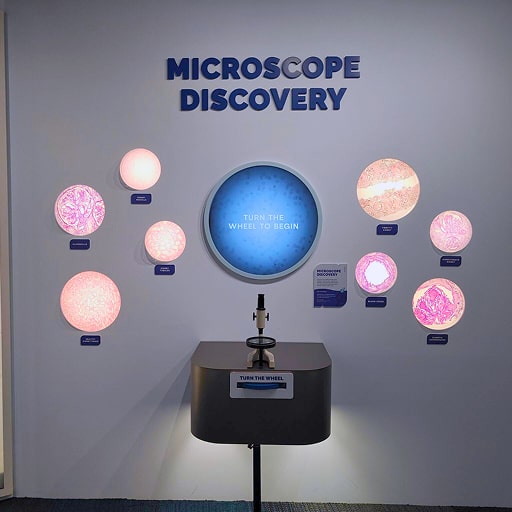
MICROSCOPE​ DISCOVERY

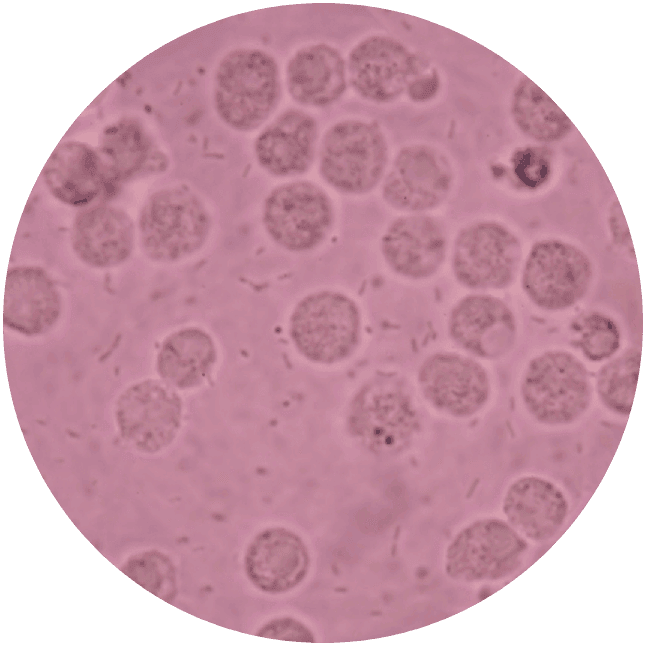
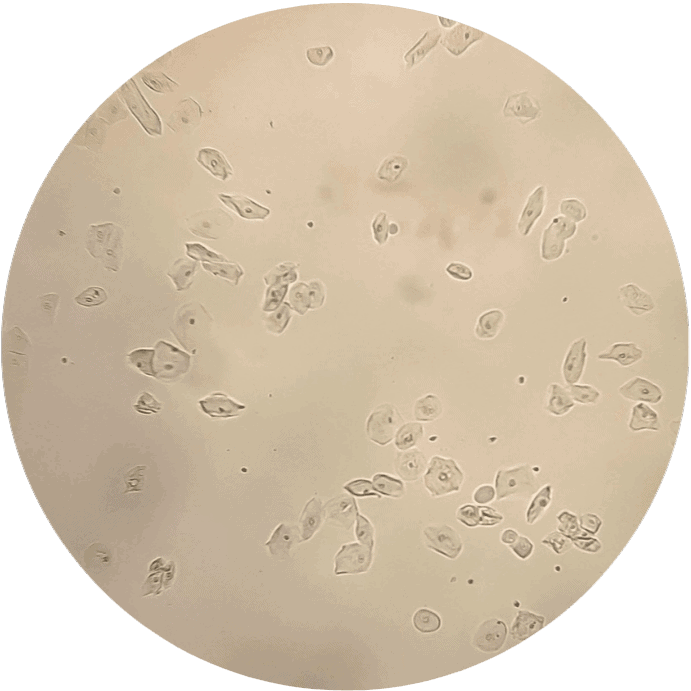
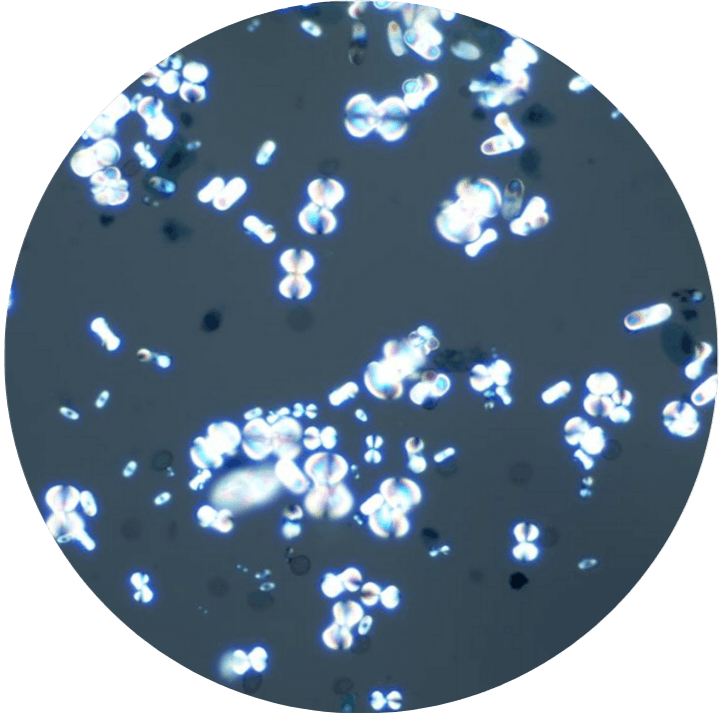
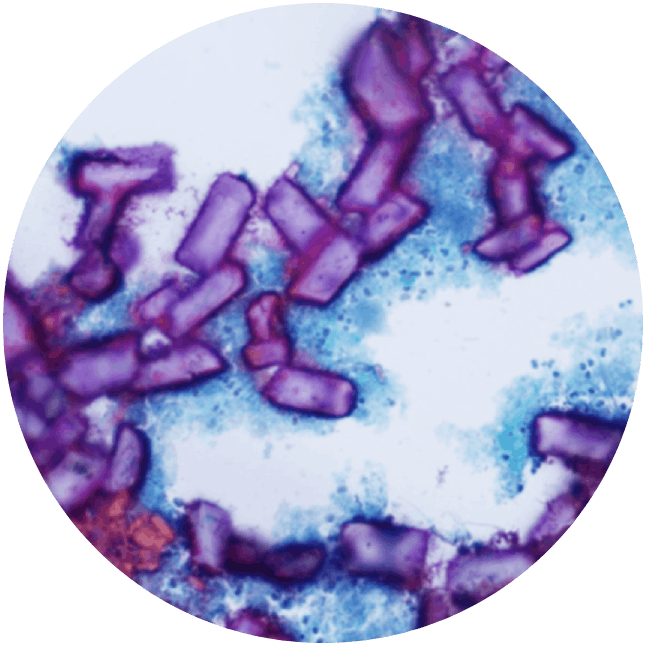
Observe real microscopic images of kidney tissue – from healthy cells to those affected by conditions like hypertension, diabetic nephropathy, and fibrosis. These conditions may damage the kidney’s delicate filters, causing scarring and inflammation.

Turn the wheel of the microscope to see what you might discover!

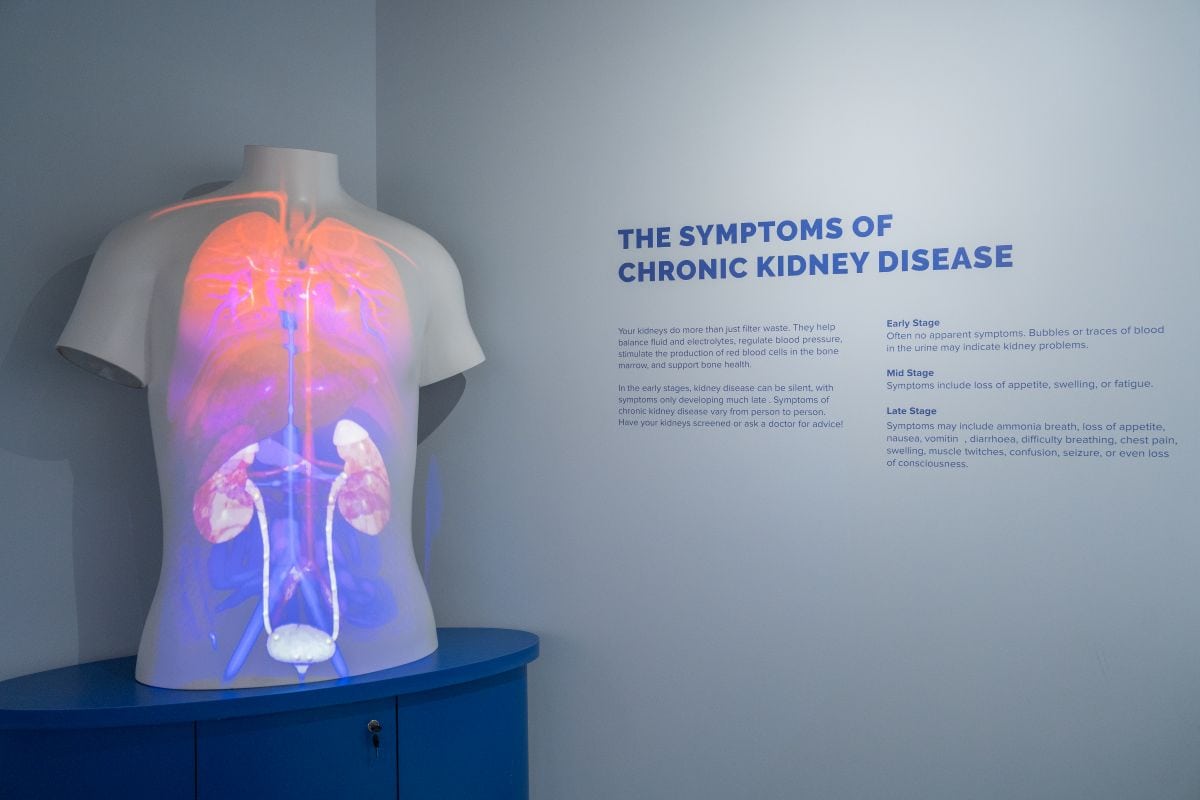
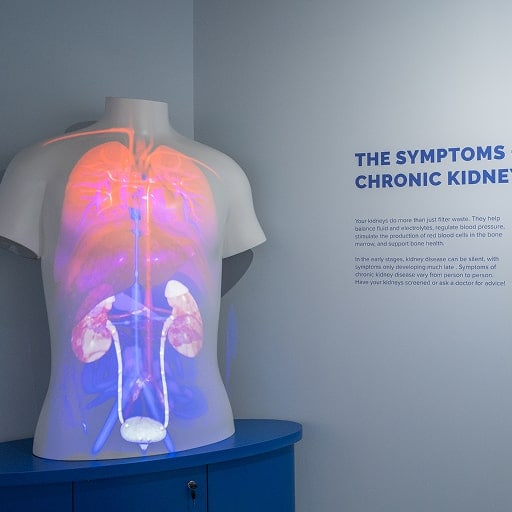
THE SYMPTOMS OF CHRONIC KIDNEY DISEASE

Symptoms of chronic kidney disease (CKD) are often silent in the early stages, but some patients may notice bubbles or traces of blood in the urine which indicate kidney problems.
In the mid stage, symptoms become more apparent and may include loss of appetite, swelling, or fatigue.
In the late stage, other symptoms may occur, such as ammonia breath, nausea, vomiting, diarrhoea, difficulty breathing, chest pain, muscle twitches, confusion, seizure, or even loss of consciousness.
Symptoms of chronic kidney disease vary from person to person. Have your kidneys screened or ask a doctor for advice!

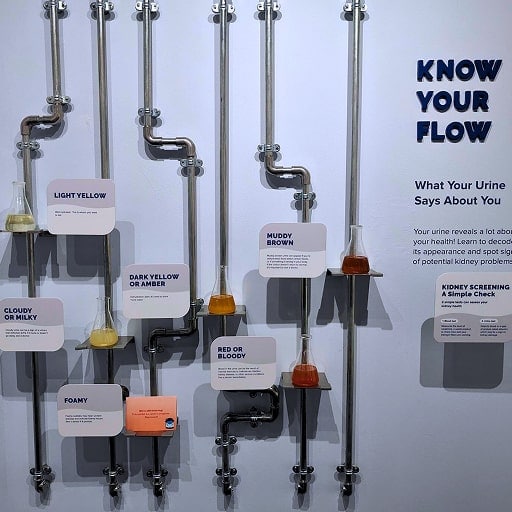
KNOW YOUR FLOW

Your urine colour can reveal a lot about your health. Check out the urine samples on the wall and see if you can spot which ones show early signs of kidney problems.
If you notice unusual changes in your urine colour that persist, see a doctor immediately.
Kidney screening only involves two simple tests:
1. Blood test – Measures creatinine, a natural waste product in the blood, to see how well the kidneys are working.
2. Urine test – Detects blood or a protein called albumin, which may signal kidney damage.

Pick up a kidney brochure at the exit to find out more about NKF’s Kidney Screening Programme!

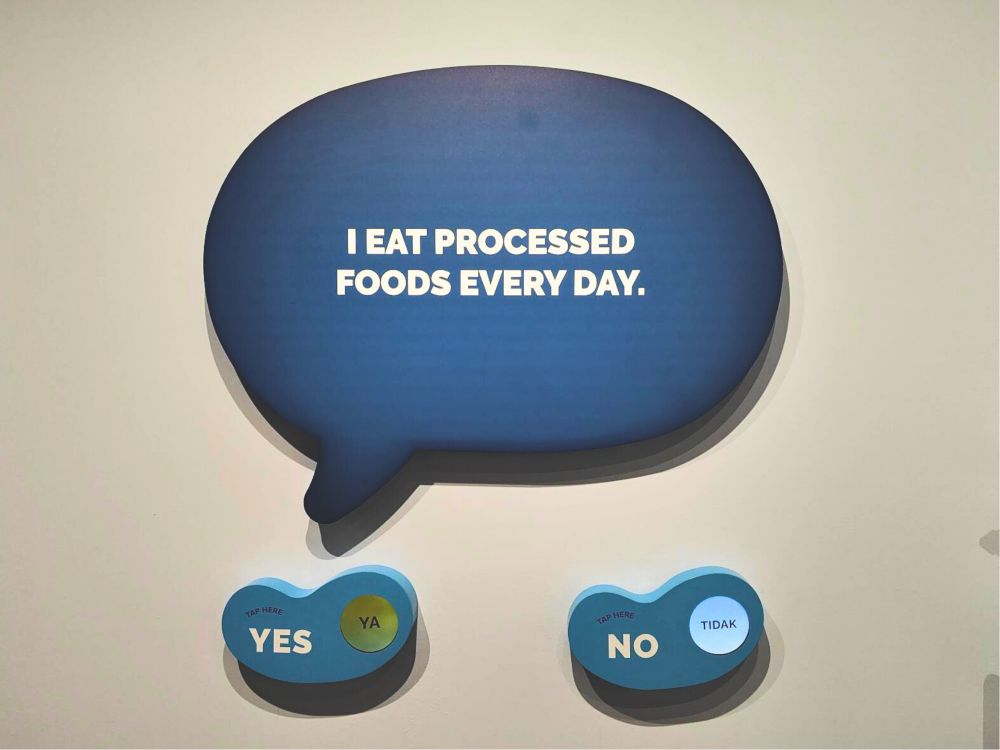
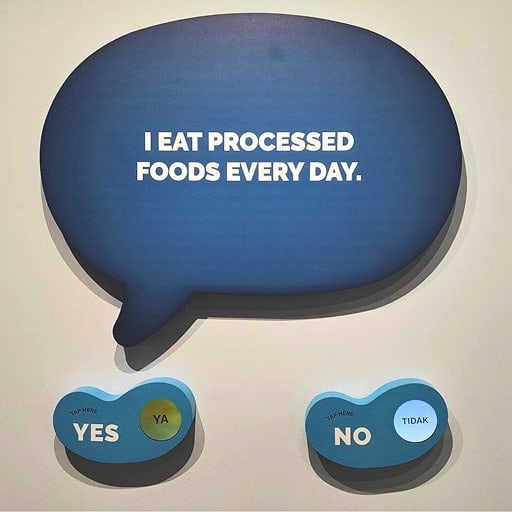
LIFESTYLE QUESTION 3

I EAT PROCESSED FOOD EVERY DAY.

Tap your RFID tag on the YES or NO button based on the question above and unlock your kidney character at the end of your visit.

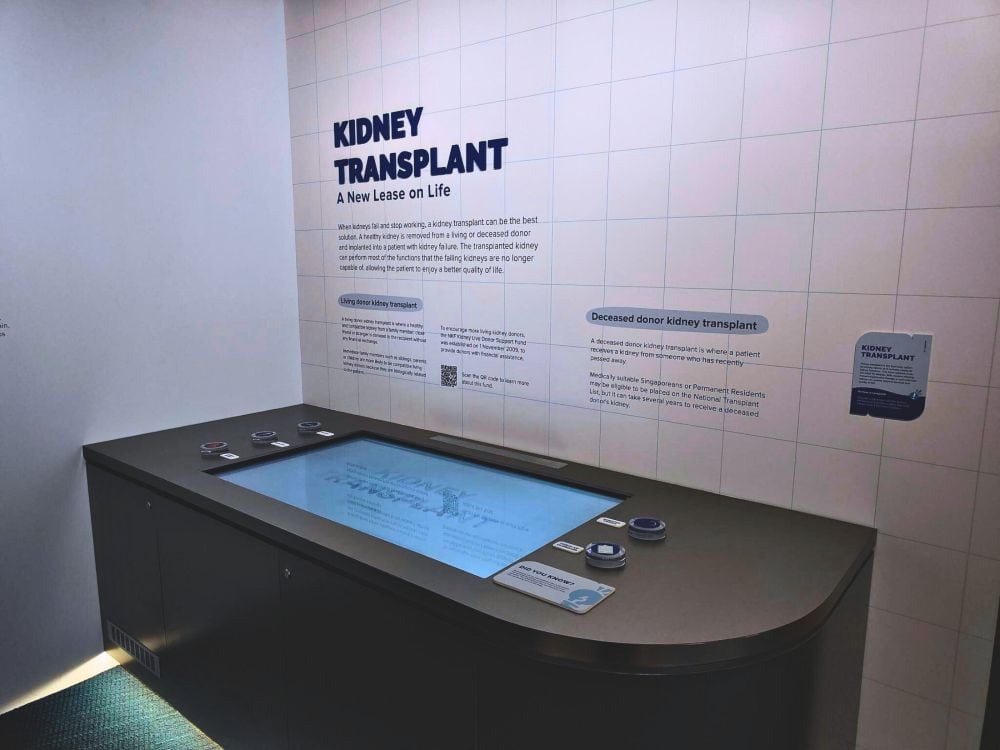
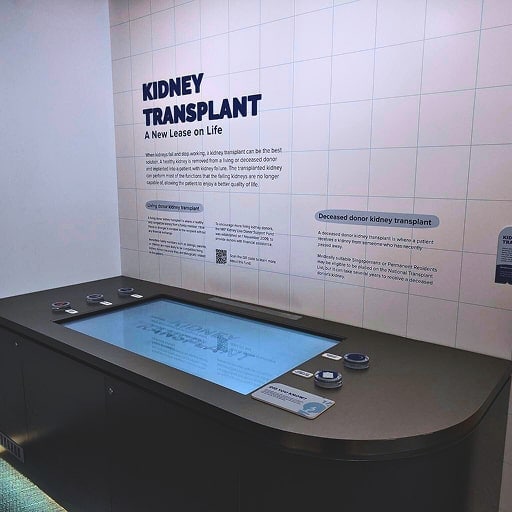
KIDNEY TRANSPLANT

Step into the shoes of a transplant surgeon by performing a kidney transplant surgery.
When kidneys fail and stop working, a kidney transplant can be the best solution. A healthy kidney is placed into a kidney failure patient’s body. With modern lifelong immunosuppressive therapy, a well-matched kidney can greatly improve survival and quality of life.

There are two types of kidney transplants.

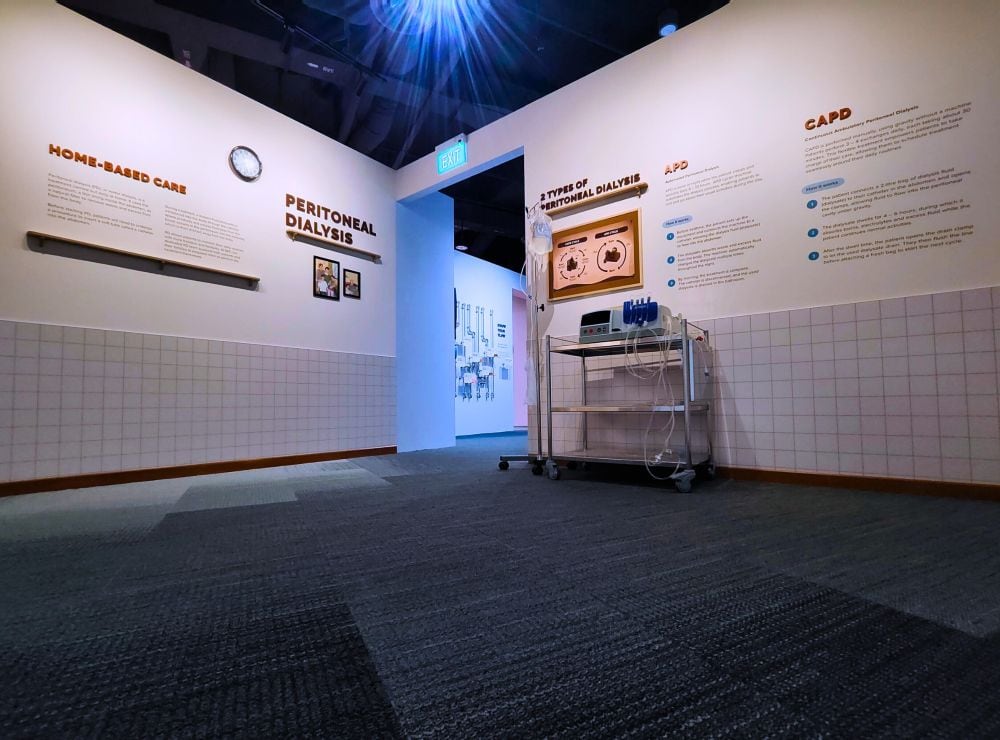
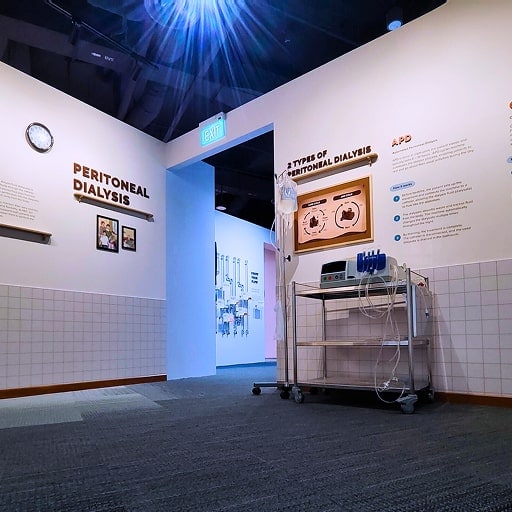
PERITONEAL DIALYSIS

Peritoneal dialysis (PD), also known as water dialysis, is a treatment carried out daily at home. It uses the peritoneum, a thin lining in the abdomen, as a natural filter to remove waste and excess fluid from the body.
Before starting PD, patients will undergo a procedure to insert a soft tube called a catheter into the abdomen. During treatment, dialysis fluid, also known as dialysate, flows into the body through the catheter. Waste products and excess fluid then pass from the blood vessels in the peritoneum into the dialysate, which is then drained away.
Besides preserving residual kidney function better, PD does not require needles. Patients have fewer fluid and dietary restrictions and have more freedom and flexibility for daily activities​.
At NKF, our dedicated PD team supports both patients and their families by empowering them to perform the treatment themselves.

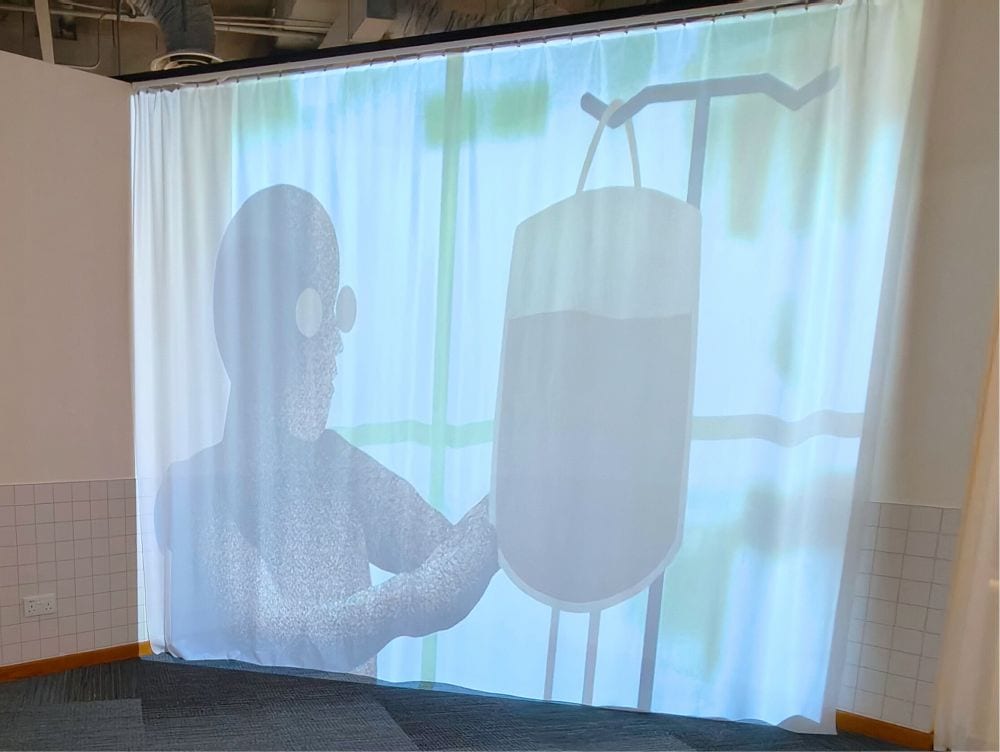
PERITONEAL DIALYSIS (ANIMATED VIDEO)

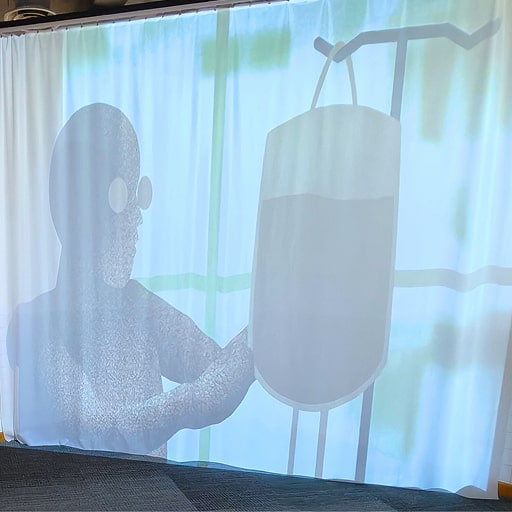
Watch how Mr Ismail and Mdm Huang go about their daily routines with different types of peritoneal dialysis (PD).
Mr Ismail is on Continuous Ambulatory Peritoneal Dialysis (CAPD). He performs fluid exchanges four times daily while enjoying activities like tai chi and catching up with friends. Each exchange takes approximately 30 minutes and is performed manually, utilising gravity without the aid of a machine.
Mdm Huang does Automated Peritoneal Dialysis (APD) overnight while she sleeps. This frees up time in the day for work and family, allowing her to be present for what matters most. The process is automated using a PD cycler machine and typically lasts 8 to 10 hours.

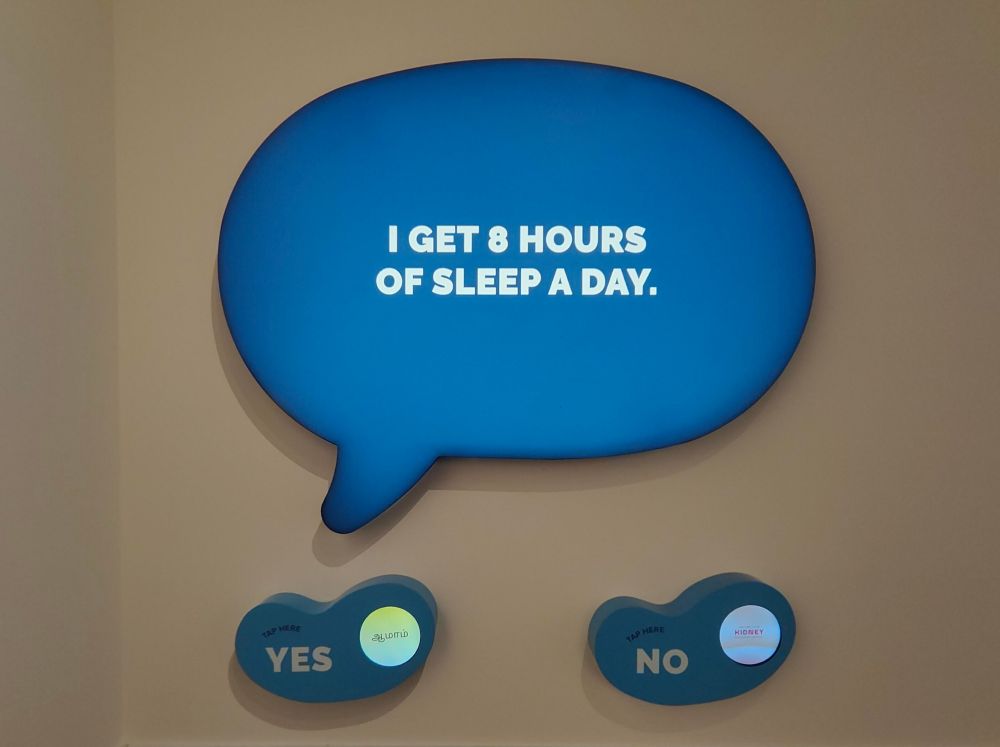
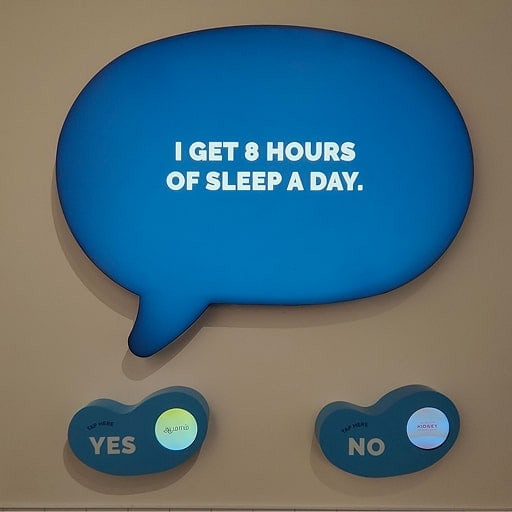
LIFESTYLE QUESTION 4

I GET 8 HOURS OF SLEEP A DAY.

Tap your RFID tag on the YES or NO button based on the question above and unlock your kidney character at the end of your visit.

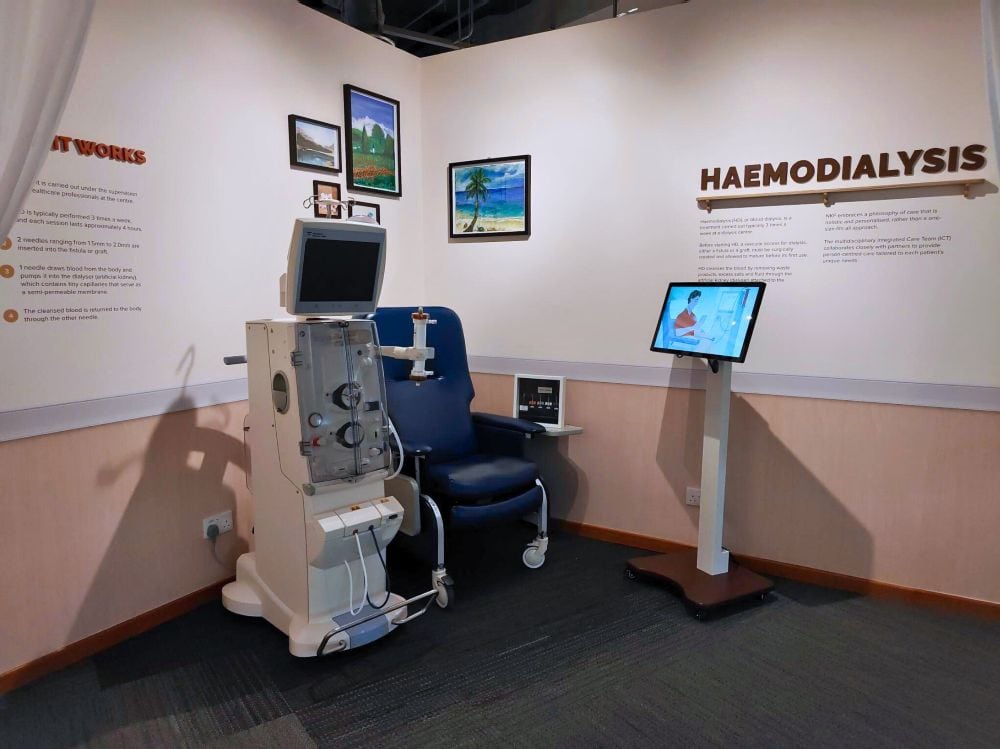
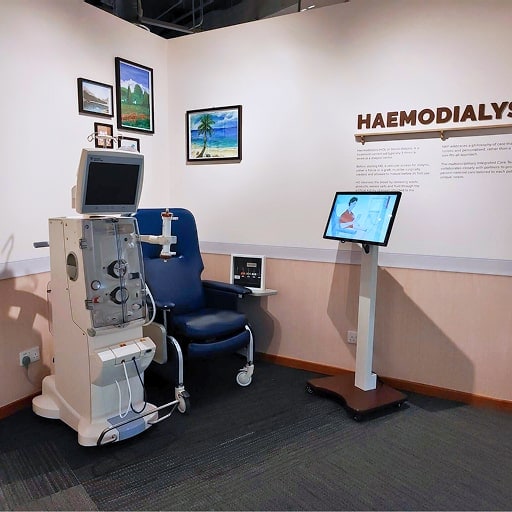
HAEMODIALYSIS

Take a seat and listen to what a patient’s experience on haemodialysis is like.
Haemodialysis, also known blood dialysis, is carried out at a dialysis centre typically 3 times a week, for about 4 hours each time.
Before starting the dialysis, a vascular access, either a fistula or a graft, must be surgically created.
During treatment, 2 needles ranging from 1.5mm to 2.0mm are inserted into the fistula or graft. 1 needle draws blood out of the body and pumps it into the dialyser (artificial kidney), after which the cleansed blood is returned to the body through the other needle.​
NKF’s philosophy of care takes on a holistic and personalised approach. Our multidisciplinary Integrated Care Team works closely with partners to ensure each patient receives person-centred care tailored to each patient’s unique needs.

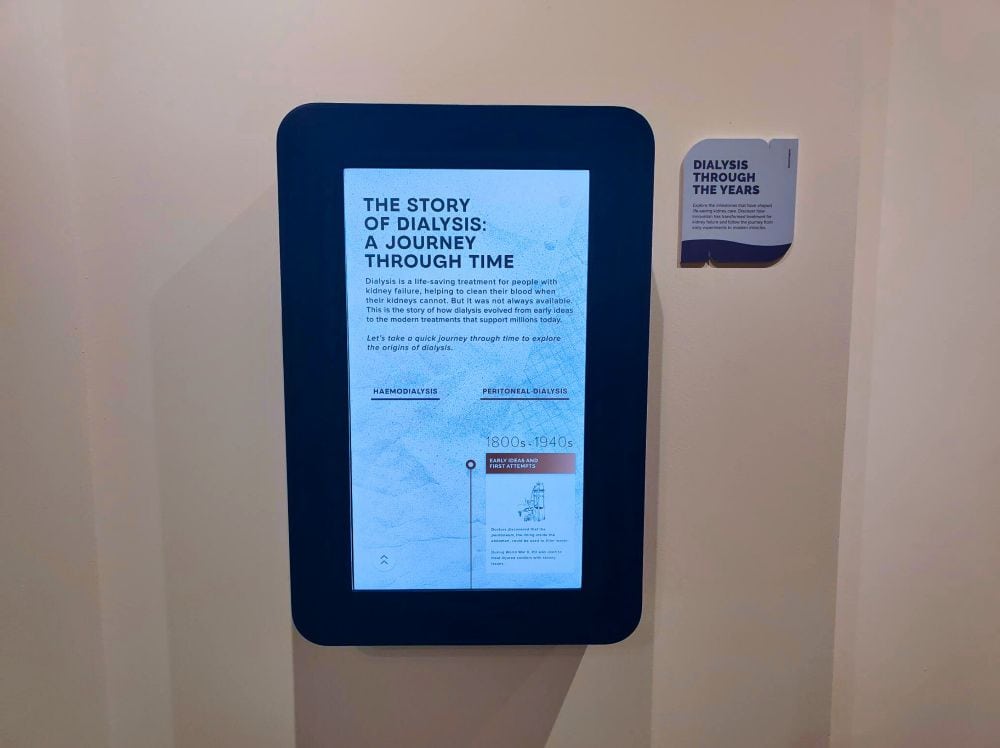
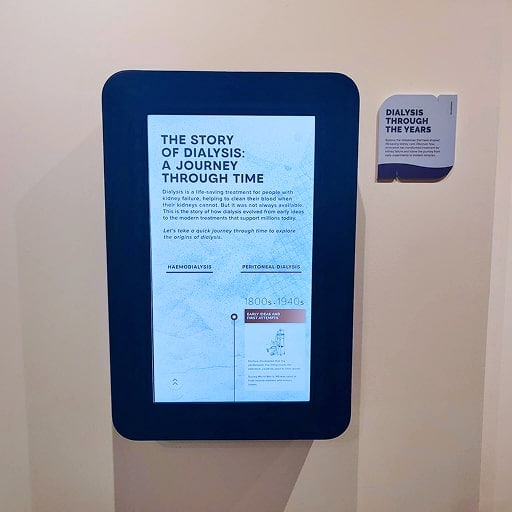
DIALYSIS THROUGH THE YEARS

Scroll through the timeline on the screen.
Explore the milestones that shaped life-saving kidney care and see how innovation transformed treatments, from early experiments to modern miracles.

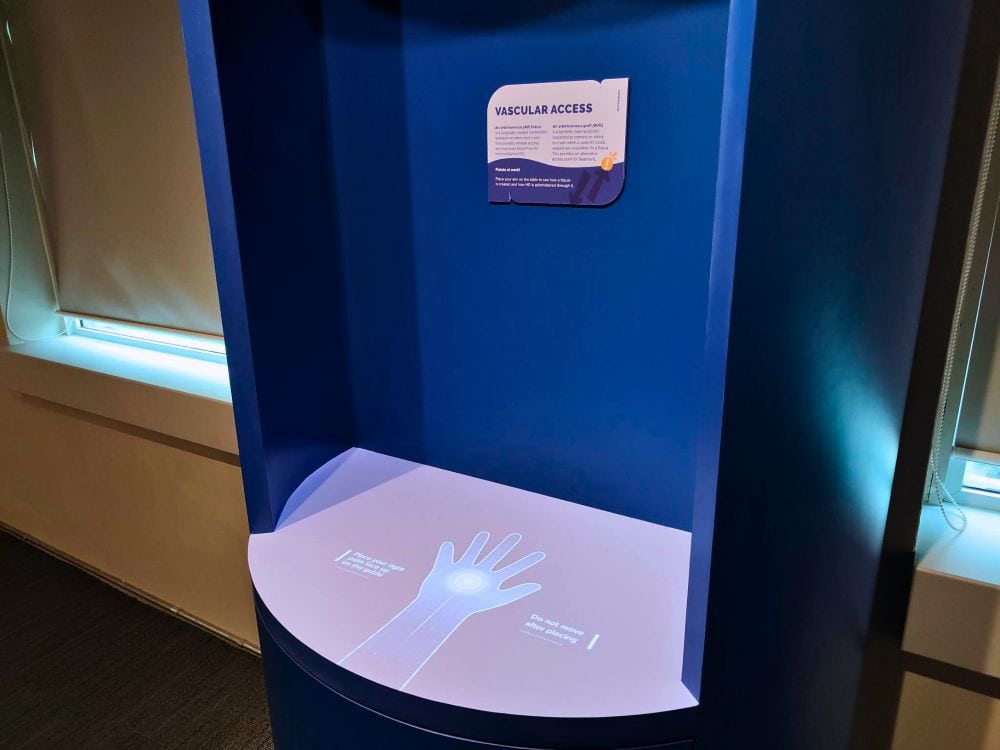
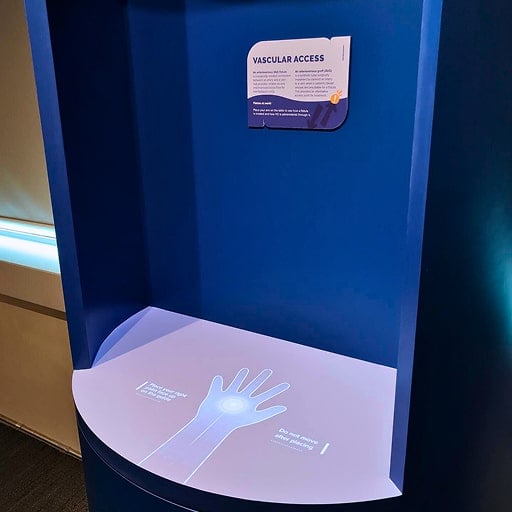
VASCULAR ACCESS

Place your arm on the table to see how a fistula is created and how haemodialysis is administered through it.

Before haemodialysis begins, patients need a reliable vascular access for efficient blood flow, ensuring smooth and effective dialysis treatment.

A surgery is performed to create a connection between an artery and a vein. This is called an arteriovenous (AV) fistula.

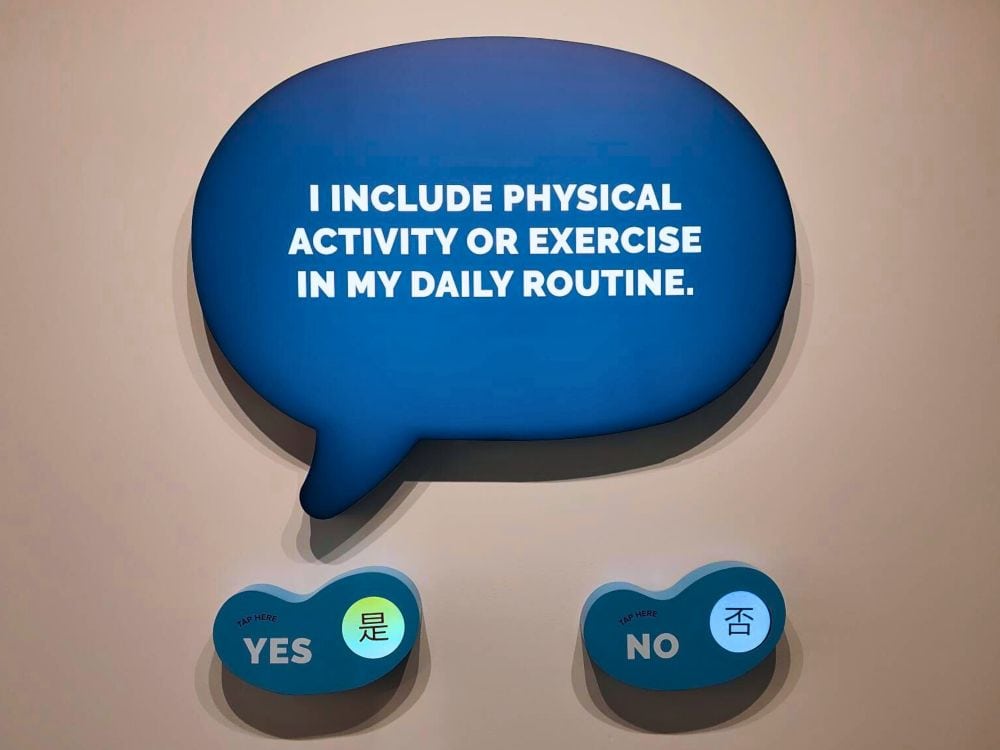
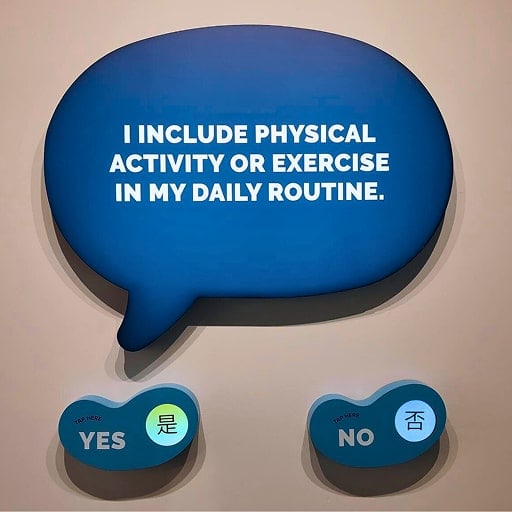
LIFESTYLE QUESTION 5

I INCLUDE PHYSICAL ACTIVITY OR EXERCISE IN MY DAILY ROUTINE.

Tap your RFID tag on the YES or NO button based on the question above and unlock your kidney character at the end of your visit.

EN
  • 中文
  • MLY
  • தமிழ்

Welcome To

KDC Logo

This self-guided tool helps you explore
the Kidney Discovery Centre at your own pace.

Select your preferred language.

选择偏好语言。

Pilih bahasa pilihan anda.

உங்களுக்கு விருப்பமான மொழியைத் தேர்ந்தெடுக்கவும்.
Tap anywhere to enable sound